Choosing the right dumbbell weight can feel a bit overwhelming, but it doesn’t have to be! Whether you're male or female, the goal is to challenge yourself without risking injury. This is where a solid dumbbell workout plan comes in handy. Think about your current fitness level and what feels comfortable versus what will push you. Start by looking at options like 7.5kg, 10kg, and even 20kg to see where you land.
The 3-3-3 rule is a handy method for selecting weights. Lift a weight three times; if you can easily do it for three sets, you might want to bump it up. If you're struggling to get through those reps, it's better to dial it back. This approach helps you find that sweet spot where you’re getting stronger but not overdoing it.
Then there’s the 5-3-1 rule. It’s great for building strength progressively. With this rule, you start with a weight you can lift for five reps. Once that feels too easy, drop down and lift your new max for three reps, and finally, gradually work it up until you can do one maximal lift. Using a structured routine makes tracking your progress much easier.
Don’t forget to focus on your goals, too! If you’re smashing through a dumbbell full-body workout, tailor your weights based on the exercises. Compound movements like squats or deadlifts generally require heavier weights compared to isolation moves like bicep curls. This Best Dumbbell Weight Progression Guide for Muscle Building can help steer you in the right direction as you build a killer home full-body setup.
When you’re unsure, keep a downloadable PDF of this guide handy. It’s a great resource to refer back to when selecting your dumbbell weights or even just mixing up your routine. Remember, consistency and the right weight choices are key factors in your muscle-building journey!
Building a Solid Foundation for Gains
For a dumbbell full-body workout, you'll want to focus on exercises that target multiple muscle groups. This not only helps build strength but also keeps your routine dynamic and engaging. Think about incorporating moves like squats, lunges, and presses into your dumbbell workout plan. By doing this, you’ll make the most out of every session in your home full-body workouts.
Wondering which dumbbell weight is best for you? If you're starting out, 7.5kg to 10kg dumbbells are great for most beginners. As you get stronger, you might want to make a jump to 20kg. The key is to listen to your body and track your progress using methods like the 3-3-3 rule or the 5-3-1 rule. These systems help you figure out when to increase your weights for better gains.
Remember, consistency is key. Stick to your plan, gradually increase your weights, and keep challenging yourself. You'll be amazed at how quickly you’ll see results! If you want to dive deeper, grab the PDF that lays it all out clearly. Whether you're aiming to tone up or build serious muscle, a solid foundation goes a long way in achieving your goals.
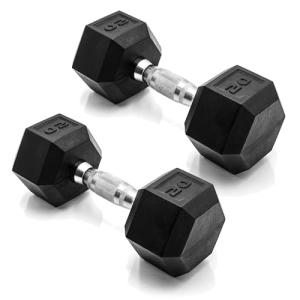
CAP Barbell 20 LB Coated Hex Dumbbells Pair
Get a solid workout with these durable and comfortable dumbbells that fit perfectly in your home gym
Product information
$46.97
Product Review Score
4.67 out of 5 stars
184 reviewsProduct links
Tracking Your Progress Effectively
Tracking your progress is super important when you’re working towards your muscle-building goals. It keeps you motivated and shows how far you’ve come. One of the best ways to do this is by keeping a record of your dumbbell workouts. You can write it down in a notebook or use an app—just find what works best for you.
Start by noting down the weights you’re lifting. If you’re following a dumbbell workout plan focusing on different muscle groups, record the reps and sets too. For example, if you’re using 7.5kg for a specific exercise, write that down along with how many reps you did. This way, you can see if it's time to increase to 10kg or adjust your routine as needed. Following the 3-3-3 rule or the 5-3-1 rule can also help in picking the right weights and reps.
Don’t forget to note how you feel during your Dumbbell full-body workout. Did you struggle with that last rep? That’s great information for your next session. Maybe you can try a 20kg weight next time for some exercises if you think you’re ready! Remember, progress isn’t just about lifting more; it’s about feeling stronger and more confident.
If you’re looking to dive deeper into your training, check out the Best Dumbbell Weight Progression Guide for Muscle Building; PDF. It offers great tips for both male and female lifters so everyone can find their sweet spot in a home full-body workout. Keeping track of your progress will help you figure out which dumbbell weight is best for your goals, and that’s where the real gains happen!
Tips for Smart Weight Increases
When you're diving into your dumbbell workout plan, making smart weight increases is key to building muscle without putting yourself at risk of injury. Start by assessing your current weights. If you’re using 7.5kg or 10kg dumbbells and feel like you’ve got plenty of gas left in the tank, it’s probably time to bump it up a notch. The Best Dumbbell Weight Progression Guide for Muscle Building can help you pinpoint how much to increase your weights.
Use the 3-3-3 rule for gradual increases. Here’s how it works: When you can complete three sets of a given weight for three consecutive workouts without breaking a sweat, it’s time to raise your game. If you’ve been pushing 10kg comfortably, consider moving up to 12.5kg. This way, you’re challenging your muscles just enough to keep making progress while still ensuring you're using a dumbbell that fits into your full-body workout.
Another great approach is the 5-3-1 rule. This method focuses on heavy lifting for one main exercise each week. Start with 5 reps, then work your way to 3 reps, and finally push for a single heavy lift. You can apply this to any dumbbell workout. If you’re getting strong with 20kg on your overhead presses, don’t hesitate to test the waters with 22.5kg. Just make sure to listen to your body!
Keep in mind that it’s not just about increasing weights. Pay attention to your form and make sure you’re executing those dumbbell moves correctly. Whether you're male or female, a home full-body workout can be just as effective as what you’d find in a gym. If you're unsure about which dumbbell weight is best for you, don’t hesitate to seek advice or refer back to the Best Dumbbell Weight Progression Guide for Muscle Building; PDF for extra tips. Building strength takes time, so stay consistent and you’ll see the gains you're looking for!